The Best Coffee Beans in South Africa (2026): Tasted, Not Sponsored
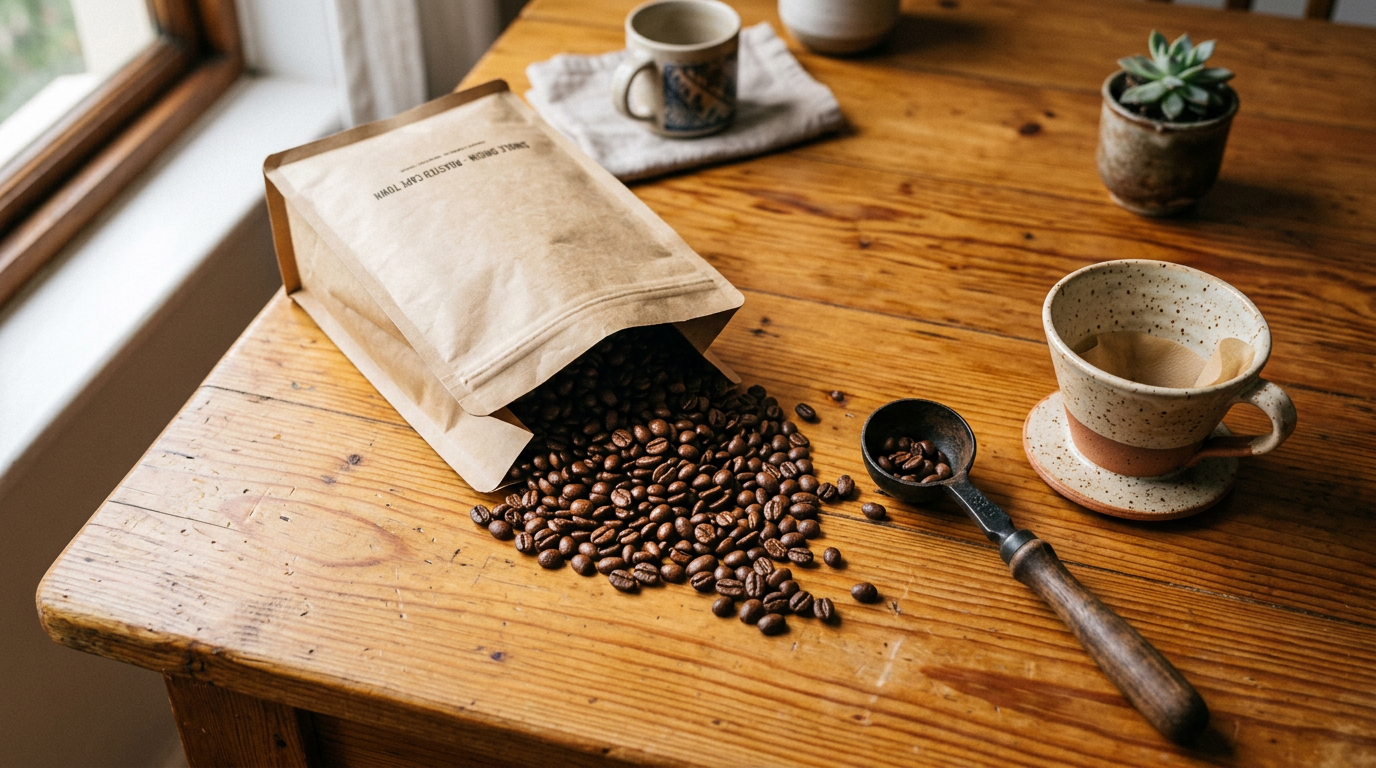
The beans I'd actually spend my own Rand on again — tasted on my own kitchen counter, not sent in a press kit.
TL;DR: After tasting my way through a stack of South African roasts, these are the beans I'd actually spend my own Rand on again — scored on the same four things every time, with zero roaster money involved. Best for espresso, filter, milk drinks and tight budgets, all in one honest list.
Quick, honest disclaimer before we start: nobody paid for a spot on this list. No roaster funds this blog, nobody sent me a "press kit" I felt obliged to gush over, and there are no affiliate links quietly earning me a cut when you click. I bought the beans, I ground them on my own kitchen counter, and I scored them the same way every single time. If a bean is here, it's because it earned it in the cup — not in my inbox.
And the other thing you should know up front: I'm not a Q-grader or a competition barista. I'm an amateur who got a bit obsessed. The pride of my kitchen counter is a Breville Barista Express, with a Meraki dual-boiler (built-in Timemore grinder and scales) for the days I'm feeling fancy. That's my rig, that's my bias, and I'll tell you where it shows.
How I scored these beans (the trust-score method)
Here's the problem with searching "best coffee beans South Africa" right now: nearly every result is a shop trying to sell you their beans. That's not a ranking, that's a shelf. I wanted something different — a list where the person doing the scoring has no reason to lie to you. So I built a simple, repeatable method and I published it, so you can hold me to it. The full breakdown lives here → /blog/how-coffee-journal-scores-sa-specialty-roasters.
The 4 things I score
Every bean gets judged on the same four things, brewed the same way, so a Durban roast and a Cape Town roast get a fair go:
Aroma — what hits you when you crack the bag and again when the water goes in. Is it alive, or does it smell like a cupboard?
Acidity — I don't mean sour. I mean brightness, the little zing that makes a coffee taste like fruit and not like a burnt tyre. Too much and it's sharp; too little and it's flat.
Body — how it sits in your mouth. Thin and watery, or round and syrupy? Neither is automatically better; it just has to suit the style.
Aftertaste — what's still there thirty seconds later. The best beans leave something lovely behind. The cheap ones leave you reaching for a rusk to get rid of it.
Four scores, one total, same process every time. No mood ratings, no "vibes."
Why I don't take roaster money (and what that changes)
The moment a roaster pays for a review, the review is about the roaster, not the coffee. I'd rather stay small and trustworthy than get a free bag of beans and quietly owe someone a nice paragraph. Practically, this means two things: I sometimes rank a big-name roaster below a tiny one you've never heard of, and I'll happily tell you when a famous bag underwhelmed me. That freedom is the whole point.
Freshness rules — roast date vs "best before"
This is the single biggest thing separating great home coffee from sad home coffee, so read this bit even if you skip the rest.
Coffee is not tinned beans — it does not last for a year. A "best before" date twelve months out tells you nothing except that the bag won't make you ill. What you actually want is the roast date, and you want it to be recent: ideally 2–4 weeks off roast for espresso, and drinkable up to about 6 weeks for filter. Supermarket beans that only show a "best before" are almost always old, which is why they taste dull no matter how carefully you brew them. Learn more in the glossary → freshness.
If a roaster prints the roast date on the bag, that's a good sign. If they don't, ask. The good ones are proud of it.
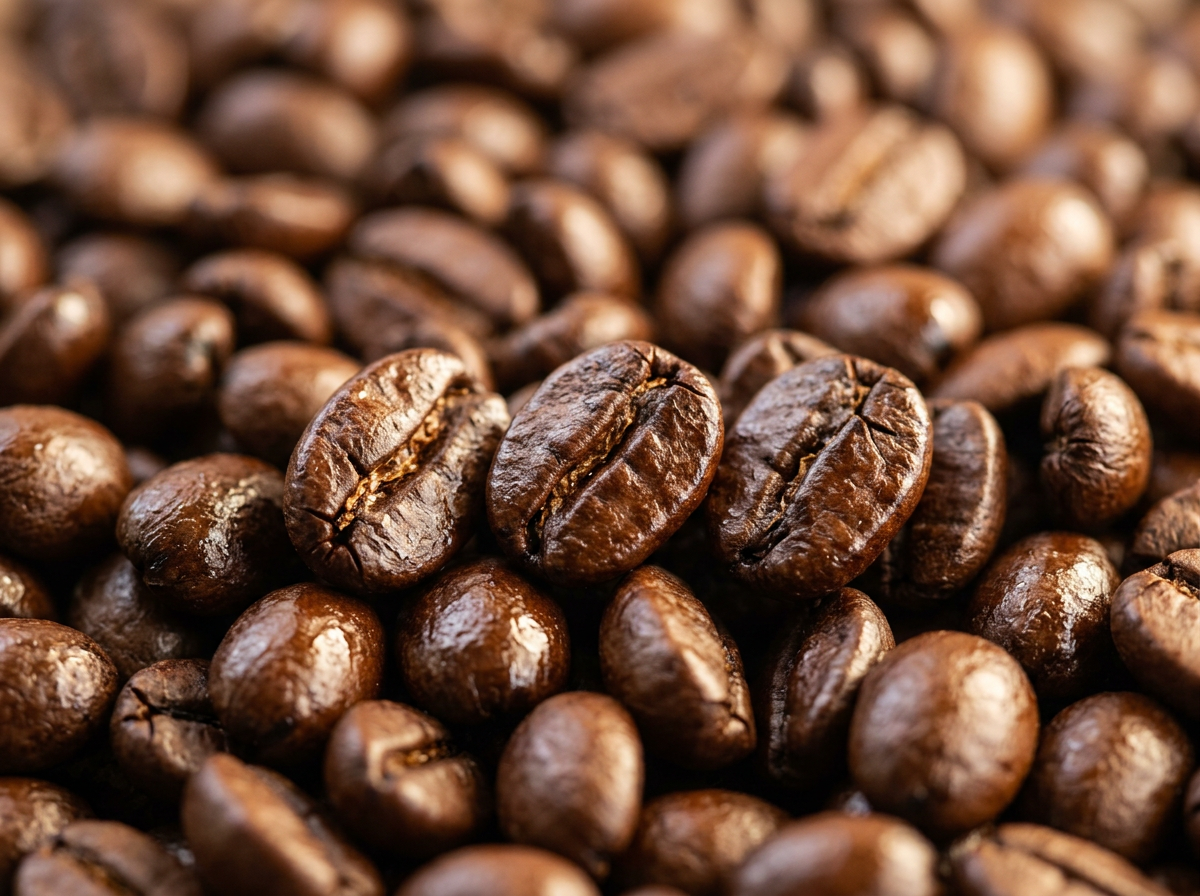
Freshly roasted single-origin beans — where flavour actually lives.
The roasters I'm scoring for the ranking
This is the part everyone wants — the ranked list of beans I'd rebuy — and it's the one part I won't fake. A ranking is only worth reading if the scores behind it are real, so the numbered order, the four-category scores and the Rand prices go live only once I've tasted each roaster on my own counter and scored it the same way as everything else. I'd rather show you an honest shortlist today than invent an order to fill a table.
Here's the candidate pool I'm working through, all drawn from roasters with a full supplier profile on this site — the final order will be whatever the cup says:
Humble Coffee (Durban) · Cedar Coffee Roasters (Cape Town) · Brüder Coffee · Bluebird Coffee Roastery (Howick, KZN Midlands) · Yellow Jacket Coffee · Culture Coffee · Origin Coffee Roasting · YAAWK Coffee · Robin Chat Coffee · Tribe Coffee · Bean There Coffee · Rosetta Roastery · Father Coffee · Seam Coffee · Sorcery Coffee · Mastertons Coffee · East Coast Coffee Co · Home of the Bean.
Want to be told the moment the full scored ranking goes live — or think I've left a roaster out? Tell me.
One of the beans I keep coming back to as a reference point is the Colombia Zarza anaerobic natural — if you want to taste what "acidity as a good thing" means, start there.
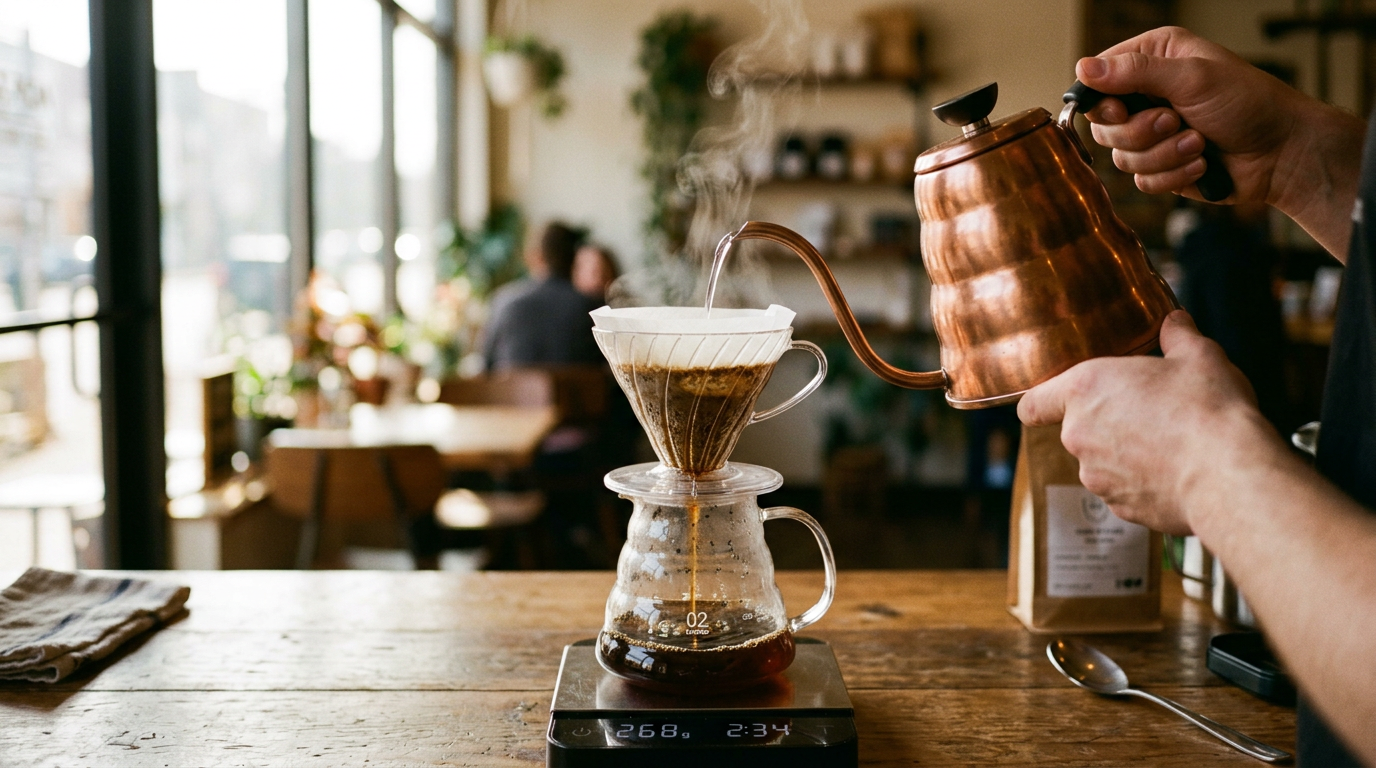
Match the bean to the method — a good filter roast rewards a slow pour-over.
The best beans by brewing method
"Best" is a trap question, because it depends entirely on how you make your coffee. Here's how I'd actually split it.
Best for espresso machines
If you've got a proper machine, you want a fresh medium to medium-dark roast, 2–4 weeks off roast, ideally a blend built for espresso or a chocolatey Colombian/Brazilian single origin. Avoid the oily, near-black supermarket "espresso" beans — the oil clogs your grinder, chokes your shots, and tastes of ash. On my Barille Express, the beans that pull sweet and consistent without me fiddling for twenty minutes are the ones that win here.
Best for filter / pour-over & plunger
Filter is where the fancy stuff shines. Go lighter, brighter, single origin — Ethiopian and Kenyan beans in particular give you that tea-like, fruity cup that a plunger or V60 shows off beautifully. These beans often taste "wrong" as espresso and magnificent as filter, so don't judge a light roast by your machine.
Best for milk-based drinks (cappuccino / flat white)
Milk flattens delicate flavours, so a super-fruity light roast is wasted under a layer of foam. You want body and a chocolate/caramel backbone that can punch through the milk — a solid medium roast or a milk-friendly blend. This is the everyday flat-white category, and it's where a lot of "boring" beans quietly excel.
Best everyday budget bean under R150
Not every cup needs to be a religious experience. For the second (and third) coffee of the day, I want something fresh, honest and cheap enough that I'm not rationing it.
Single origin vs blend — which should you buy?
This trips up nearly everyone starting out, so let me keep it simple.
What "single origin" actually means (and when it matters)
A single origin is coffee from one place — one farm, one region, sometimes one specific lot. Because it's not blended, it tastes distinctly of itself: a Kenyan tastes like blackcurrant, an Ethiopian like jasmine and stone fruit, a Colombian like caramel. It's more delicate, more "interesting," and it changes character depending on how you brew it. See single origin in the glossary.
South Africa's single-origin stars
A few local roasters do genuinely lovely single origins — the ones on my shortlist above are your safest starting point. If you're new to it, brew them as filter first; espresso is less forgiving and you'll miss half of what you paid for.
A blend, by contrast, mixes beans to hit a consistent, balanced flavour every time. Blends are the workhorses: reliable, milk-friendly, and forgiving if your technique wobbles. My honest advice for beginners — start with a good blend, get comfortable, then go chase single origins once you can taste the difference. There's no shame in blends; most cafés you love are pulling shots off one.
Where to actually buy them (stockists, delivery & Rand prices)
Great beans are useless if you can't get them fresh. Here's where I'd go, city by city.
Buy in Cape Town Cape Town is spoilt for roasters, and most will happily sell you beans straight from the roastery, which is about as fresh as it gets short of roasting them yourself.
Buy in Johannesburg / Pretoria Joburg's specialty scene is strong and growing; Father Coffee is the obvious in-person starting point.
Buy in Durban & KZN KZN is often overlooked but Humble Coffee in Durban and Bluebird up in the Midlands are well worth the shipping.
Buy online & national delivery
Here's the load-shedding-era good news: nearly every roaster on this list ships nationally, most within 2–3 days of roasting, so you get beans fresher by post than you'd get off a supermarket shelf. Check the price index for live Rand pricing → /price-index. If you'd rather have beans arrive automatically every month, I'm covering that in a dedicated guide → coffee subscriptions in South Africa.
Budget guide — the best beans by price point
Roughly, here's what your Rand buys you for genuinely fresh specialty coffee (check /price-index for current numbers):
Under R150 / 250g — honest daily-driver territory. Fresh and decent, not showy.
R150–R250 / 250g — the sweet spot. This is where most of the ranked list lives: proper specialty, recently roasted, from people who care.
R250–R400 / 250g — the special-occasion and rare single-origin shelf. Worth it now and then; not an everyday habit unless your budget's more relaxed than mine.
FAQ
What are the best coffee beans in South Africa? The best-tasting beans I've scored so far come from small-batch roasters like Rosetta, Cedar, Father and Humble — but "best" genuinely depends on how you brew, so match the bean to your method rather than chasing one winner. For espresso, choose a fresh medium-dark roast with a recent roast date; for filter, reach for a lighter single origin with more fruit. The shortlist above shows who I’m scoring; the full ranking with prices follows once the tasting’s done.
Where can I buy freshly roasted coffee beans in South Africa? Buy directly from the roasters wherever you can, since most ship nationally within two to three days of roasting, or use a stockist like Cape Coffee Beans if you want several roasters in one basket. In person, try Rosetta or Cedar in Cape Town and Father in Johannesburg. Whatever you do, check the roast date is within the last two to four weeks — freshness beats brand every time.
Which coffee beans are best for an espresso machine? Go for a fresh medium roast — either a dedicated espresso blend or a chocolatey Colombian/Brazilian single origin — used between two and four weeks off the roast date. Steer clear of the oily, near-black supermarket dark roasts, because that surface oil clogs your grinder and pulls a bitter, ashy shot. I'll flag my specific espresso picks as I score them.
What's the difference between single origin and a blend? A single origin is coffee from one farm or region, so it carries a distinct, often delicate flavour that changes with how you brew it. A blend mixes beans to hit a balanced, consistent cup, and it holds up far better under milk. If you're just starting out, begin with a blend and graduate to single origins once you can taste what you're missing.
How much do good coffee beans cost in South Africa? Expect to pay roughly R150–R250 per 250g for genuinely fresh specialty coffee, and R350–R450 for rarer single origins. The cheaper supermarket bags usually look like a bargain but are older and lower grade, which is why they taste flat no matter how carefully you brew. There's more detail in my price guide.
How fresh should coffee beans be? Use your beans within about two to six weeks of the roast date for peak flavour, leaning to the fresher end for espresso. Those reassuring "best before" dates a year or two out are misleading — they tell you the coffee is safe, not that it's good. Always hunt for the actual roasted-on date on the bag.
About the author
Who is Bibi Burness, and why trust an "amateur"?
Because I've got nothing to sell you. I'm not a roaster protecting a range, not a shop clearing stock, and not a barista defending a brand — I'm a South African who fell hard for good coffee and started scoring it properly so I'd stop wasting money on hype. Everything here is brewed on my own kit, bought with my own Rand, and scored the same way every time. If you want to see the method in full, it's at /blog/how-coffee-journal-scores-sa-specialty-roasters, and there's more about me and this blog at /about.
Got a roaster I've missed, or think I've got the order wrong? Tell me. This list gets better every time someone argues with me over a cup.