My First French Press: A Hotel Room Plunger at Brahman Hills
I've been writing about coffee for months and had never made a French press. A hotel room in the KZN Midlands, a plunger, and whatever coffee the room came stocked with fixed that.
Key Takeaways
- Before I tell you how it went, let me explain what took me so long: I didn't really understand what a French press was doing differently.
- I didn't have a scale in the hotel room (rookie move, I know).
- After that first plunger cup, I looked up James Hoffmann's famous French press technique.
- Every guide says "coarse grind for French press" like it's a commandment.
My First French Press: A Hotel Room Plunger at Brahman Hills
I've been writing about coffee for months. I've dialled in espresso, obsessed over water quality, reviewed AeroPress recipes, and nerded out over moka pots. And until last week, I had never made a French press coffee.
I know.
The opportunity arrived at Brahman Hills in the KZN Midlands — a hotel room, a plunger, and whatever coffee the room came stocked with. No excuses left.
What a French Press Actually Does
Before I tell you how it went, let me explain what took me so long: I didn't really understand what a French press was doing differently.
A French press is an immersion brewer. Your ground coffee sits directly in hot water for the entire brew time — no paper filter slowly dripping through, no pressure forcing water through a puck. Everything extracts together, and a metal mesh filter separates (most of) the grounds at the end.
Because there's no paper filter, more oils and fine particles stay in the cup. That gives you:
- Fuller body — noticeably thicker than a pour-over
- Heavier mouthfeel — almost silky if you get it right
- Some sediment — this is normal, not a failure
- Less clarity — you're trading brightness for richness
I'd always thought paper-filtered coffee was "better" because it was cleaner. Turns out that's like saying black and white photography is better because it's sharper. They're showing you the same thing from different angles.
The Recipe I Used
I didn't have a scale in the hotel room (rookie move, I know). So I worked off the standard starting recipe from my own plunger guide:
Small press (what I had):
- ~20g coffee (roughly 3 level tablespoons)
- ~300ml water just off the boil
- Ratio: approximately 1:15
- Grind: coarse — like sea salt, not sand
If you've got a bigger press:
- 30g coffee to 500ml water
- That's actually closer to 1:16.7, not 1:15 — coffee maths continues to ruin casual conversation
How I Made It (The Four-Minute Method)
- Boiled the kettle. Let it sit for about 30 seconds off the boil — you're aiming for roughly 93°C, which is "just stopped bubbling aggressively."
- Added the coffee. Whatever pre-ground the room had. Not ideal, but this is a real-world test, not a lab.
- Poured the water. All of it, directly on top, no fancy spirals.
- Waited. A crust of grounds formed on top after about a minute. I gave it one gentle stir to break it, then left it alone.
- Four minutes total. Plunged slowly — and I mean slowly. If you slam the plunger down like you're angry at it, you'll push fine particles through the mesh and end up with mud.
- Poured immediately. This bit matters. If you leave the coffee sitting on the grounds after plunging, it keeps extracting and your second cup will taste like regret.
Plunger / French Press
The Four-Minute Method
Get the water right
Boil the kettle, then let it sit about 30 seconds to settle to roughly 93°C. Boiling-hot water scorches the grounds.
Add the coffee
Spoon in 20g of coarse grounds — about 3 level tablespoons for a small press. Coarse is what keeps the plunge clean.
Pour the water
Pour 300ml straight onto the grounds so they all get wet. Start your timer the moment the water hits.
Stir once, then leave it
A crust forms after about a minute. Gently stir to break it, give it one light nudge — then leave it completely alone.
Plunge slowly
At the four-minute mark, press down slow and steady. Rushing it forces fine grit through the mesh and muddies the cup.
Pour straight away
Serve immediately. Coffee left sitting on the grounds keeps brewing and turns bitter fast.
What It Tasted Like
Honestly? Better than it had any right to, given that I had no idea what coffee was even in the press. The body was full and round — noticeably thicker than what I'm used to from pour-over — and there was a richness to it that hotel-room coffee has no business delivering. Some chocolatey depth, a bit of warmth. No sourness, no bitterness.
Was it the best coffee I've ever had? No. But it was the best coffee I've ever made with zero equipment, zero skill, and four minutes of patience. That's the French press promise, and it delivered.
The Cappuccino: Avanti at the Restaurant
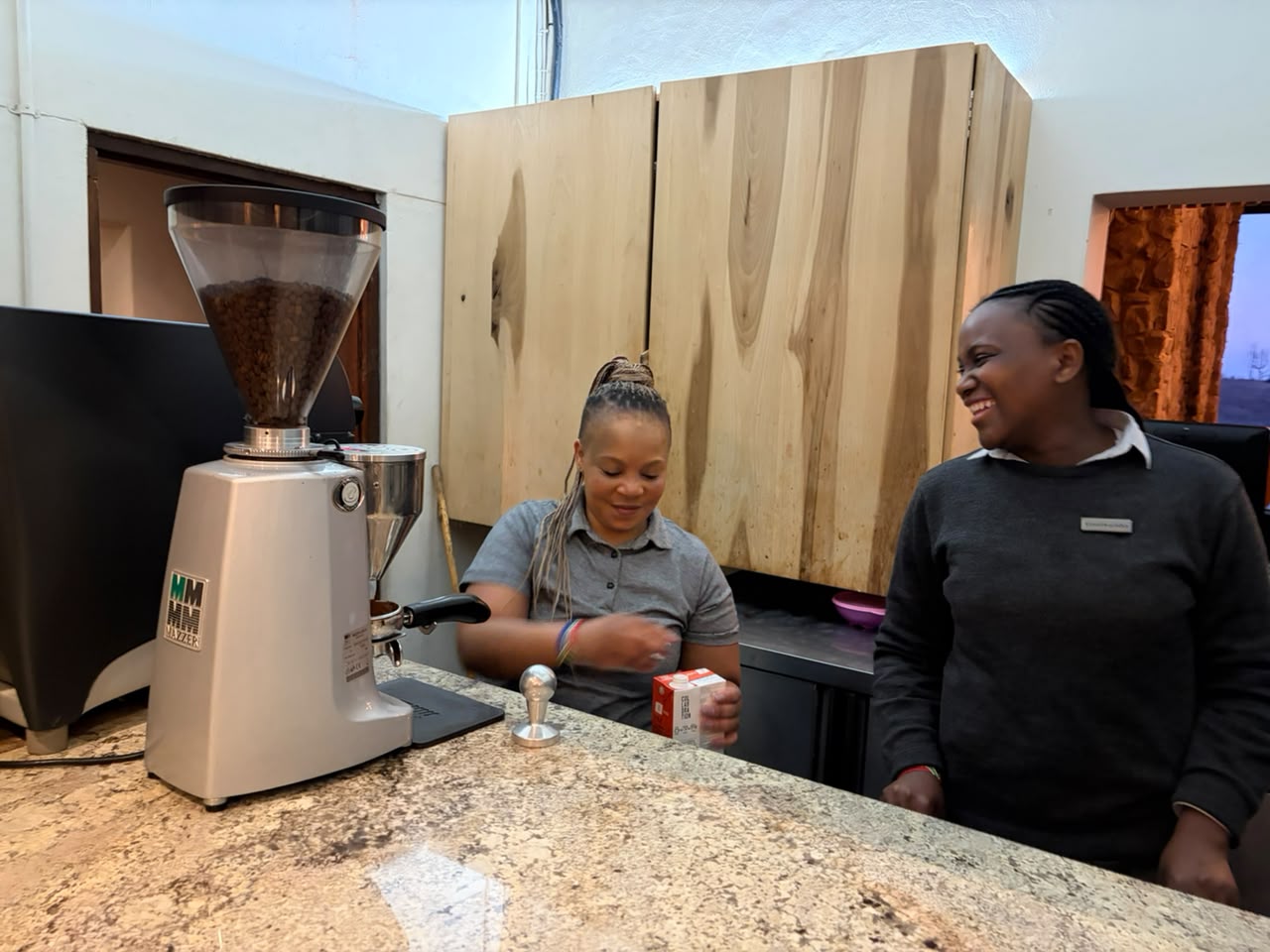
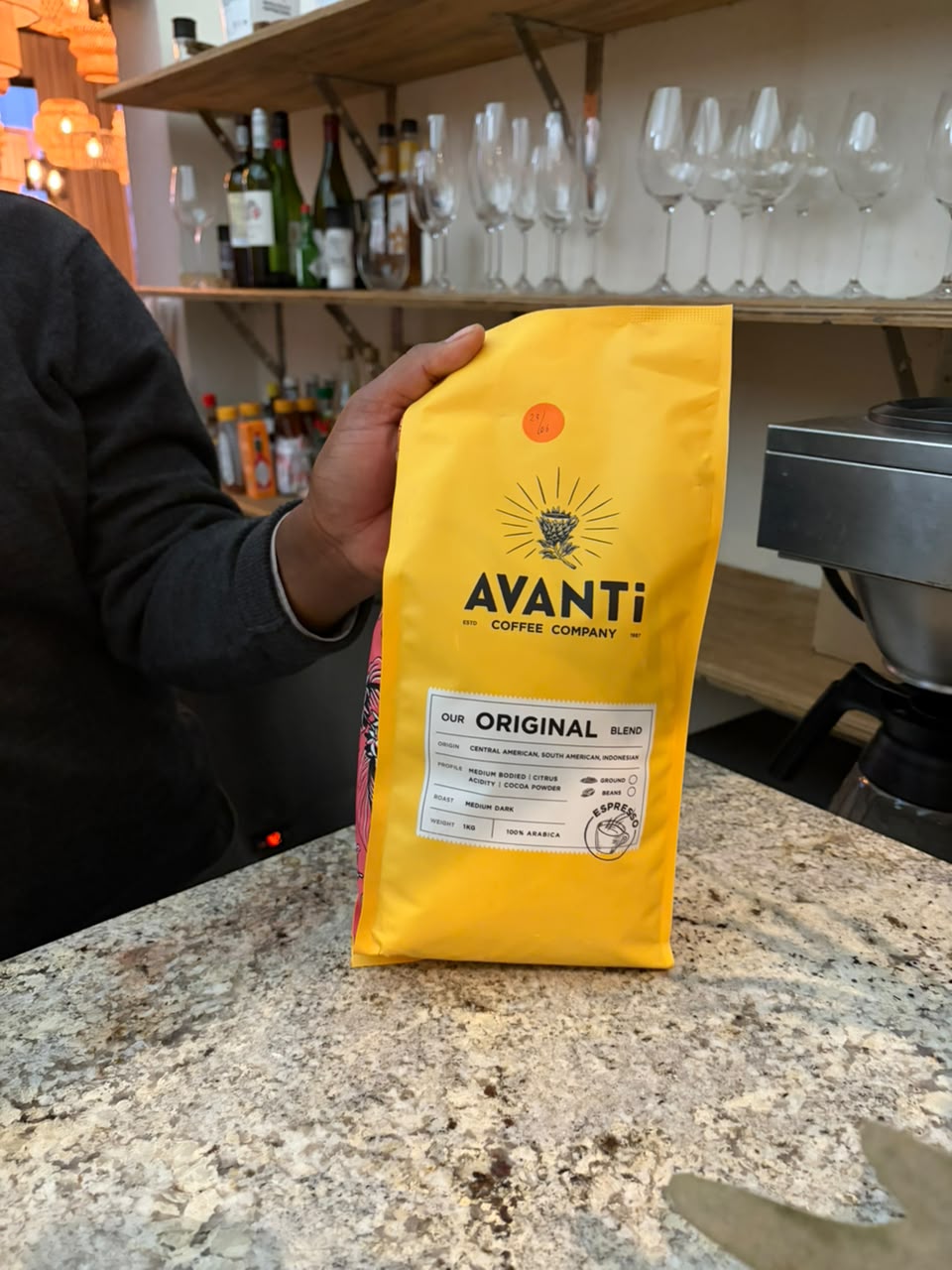
The next morning I went down to the restaurant for a cappuccino. Brahman Hills serves Avanti Coffee Company's Original Blend — a traditional Italian-style espresso blend with Central American, South American, and Indonesian beans. The official tasting notes are stone-fruit brightness, hazelnut warmth, and a rich cocoa finish.
The Rancilio espresso machine and Mazzer grinder behind the counter looked ready for serious work. The cappuccino itself was… fine. Perfectly acceptable. Firmly in the "this is a Wednesday morning cappuccino" department. No complaints, no revelations. The baristas were lovely — genuinely friendly, clearly enjoying themselves — but the coffee was functional rather than memorable.
Funny thing is, the anonymous plunger coffee in the room the night before had more character. Make of that what you will.
The James Hoffmann Method (For When You Have More Time)
After that first plunger cup, I looked up James Hoffmann's famous French press technique. It's longer — closer to nine or ten minutes total — but it's designed to reduce sediment:
- Add ~30g coffee to ~500ml hot water
- Leave it completely undisturbed for four minutes
- Break the floating crust gently with a spoon
- Scoop off the foam and floating bits — this is the key step
- Leave it for another five minutes while the fine particles settle
- Lower the plunger only to the surface — don't force it to the bottom
- Pour gently
I tried this the next morning before heading to breakfast. Cleaner cup, less sludge at the bottom, slightly brighter flavour. But honestly? The standard four-minute method was already better than I expected. Hoffmann's version is for when you've committed to the process. The quick version is for when you're in a hotel room wondering why you ever doubted the humble plunger.
Grind Size: Don't Blindly Worship "Extra Coarse"
Every guide says "coarse grind for French press" like it's a commandment. It's a sensible starting point, but it's not a law of nature. Here's what to adjust:
- Watery, hollow, or weak? Grind finer, use more coffee, or extend the brew time
- Harsh, dry, or aggressively bitter? Grind coarser, stir less, or use slightly cooler water
- Too much sludge? Your grind consistency is probably uneven — a decent burr grinder helps, but honestly, for a French press, it's less critical than for espresso
Water Matters (Always)
This is the bit where I become predictable. If you've read the water quality guide, you know the drill: 98% of your cup is water. Don't use straight chlorinated tap water. Don't use completely dead RO water with no minerals.
The hotel's filtered water was fine. Your home filtered water is probably fine too. You don't need Swedish minerals for a French press — you just need water that doesn't taste like a municipal swimming pool.
One Health Thing Worth Knowing
French press is an unfiltered coffee method. The metal mesh lets through more diterpenes — specifically cafestol and kahweol — than a paper filter would. Research has linked regular, high consumption of unfiltered coffee with increased cholesterol levels.
This doesn't mean one French press will send you to the cardiologist. But if you're managing cholesterol or drinking multiple unfiltered cups daily, it's worth knowing. Paper-filtered methods like pour-over or AeroPress filter those compounds out.
For the rest of us? Make the plunger coffee. Life's too short to worry about a cafestol molecule when you haven't even got the ratio right yet.
The Hotel: Brahman Hills
I should mention where all this French press experimentation happened, because it's a genuinely lovely spot.
Brahman Hills sits just off the N3 at Exit 132, Nottingham Road — easy to get to whether you're coming from Joburg or Durban. The property has a mix of hotel rooms, self-catering accommodation, and premium villas, all set in landscaped gardens that look like they've been styled by someone with considerably more patience than I have.
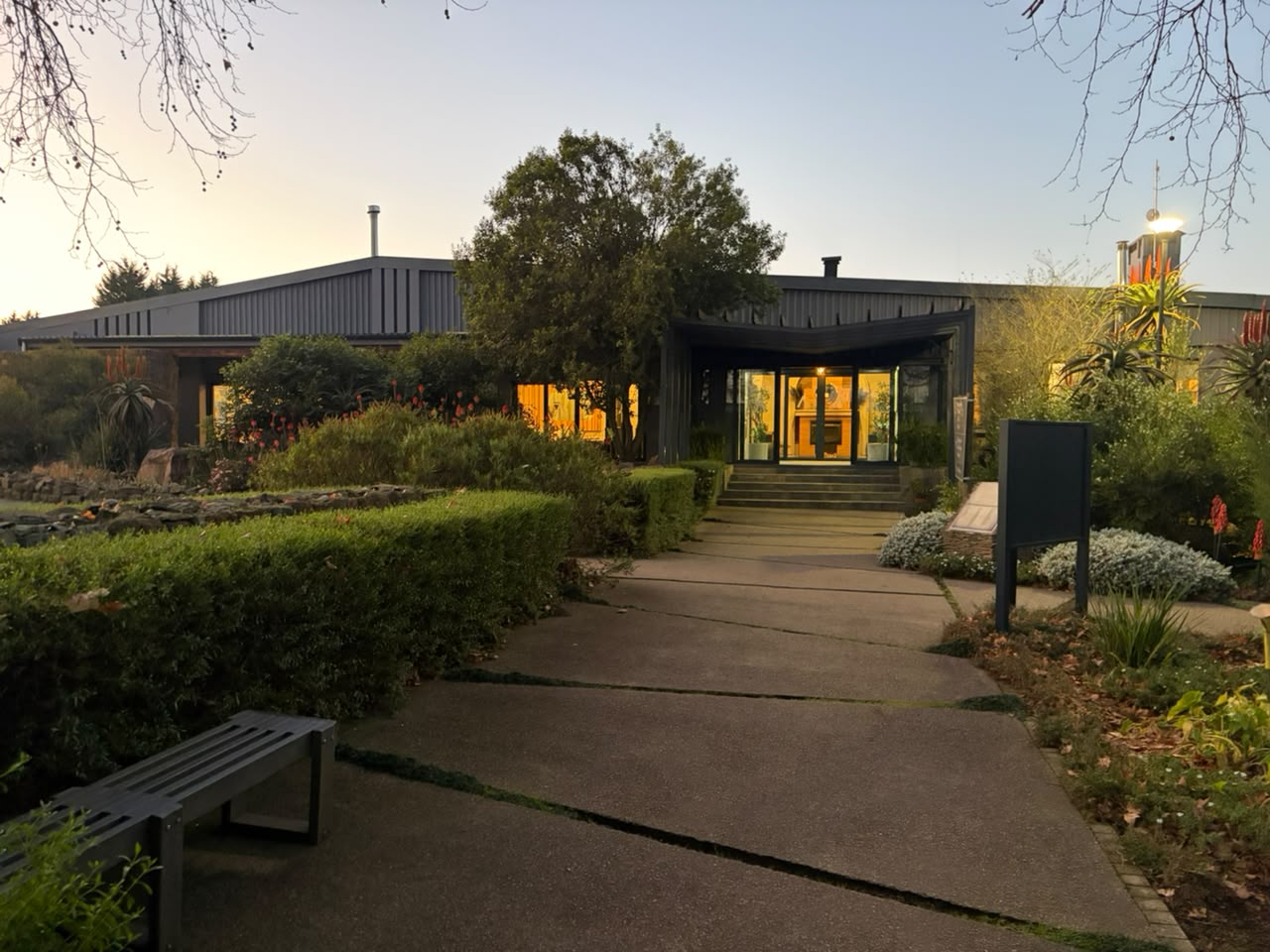
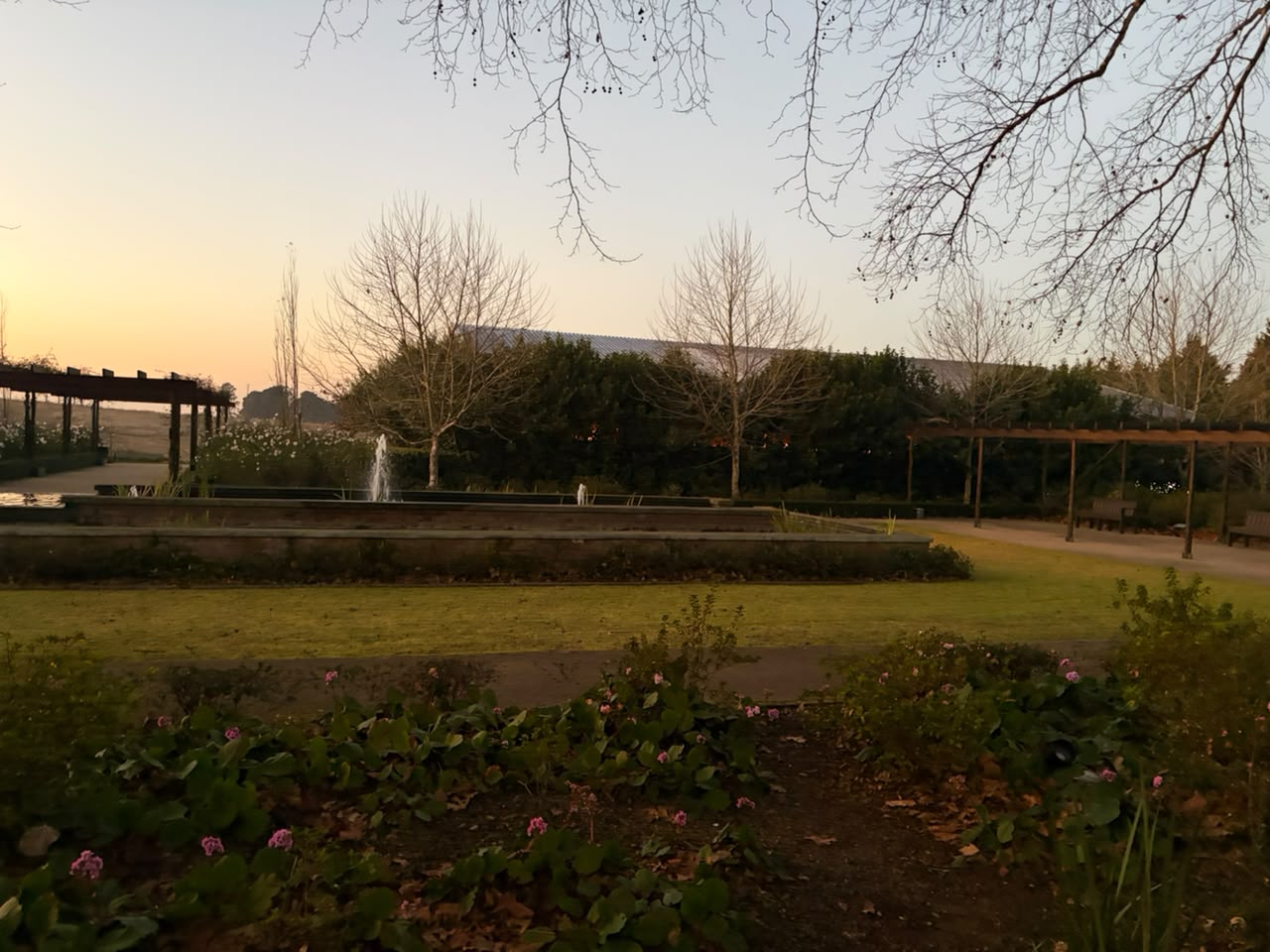
The gardens are genuinely the main event. Manicured hedges, fountains, indigenous planting, walking paths, and that early-morning Midlands light that makes everything look like a magazine shoot. I was up before sunrise and the property was stunning — soft golden light hitting the hills, the fountains catching the first rays. Even the trees appear to have received staff training.
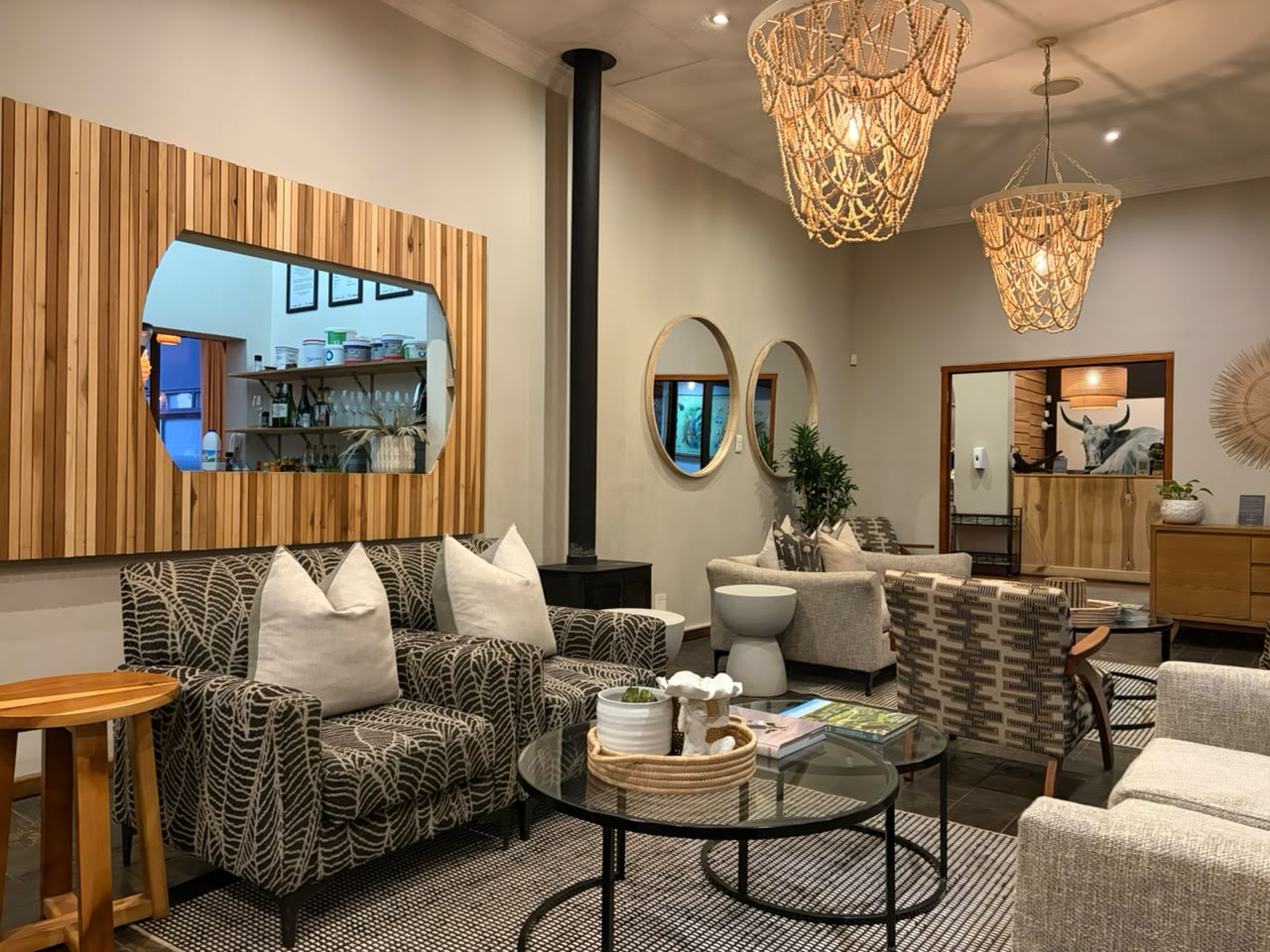
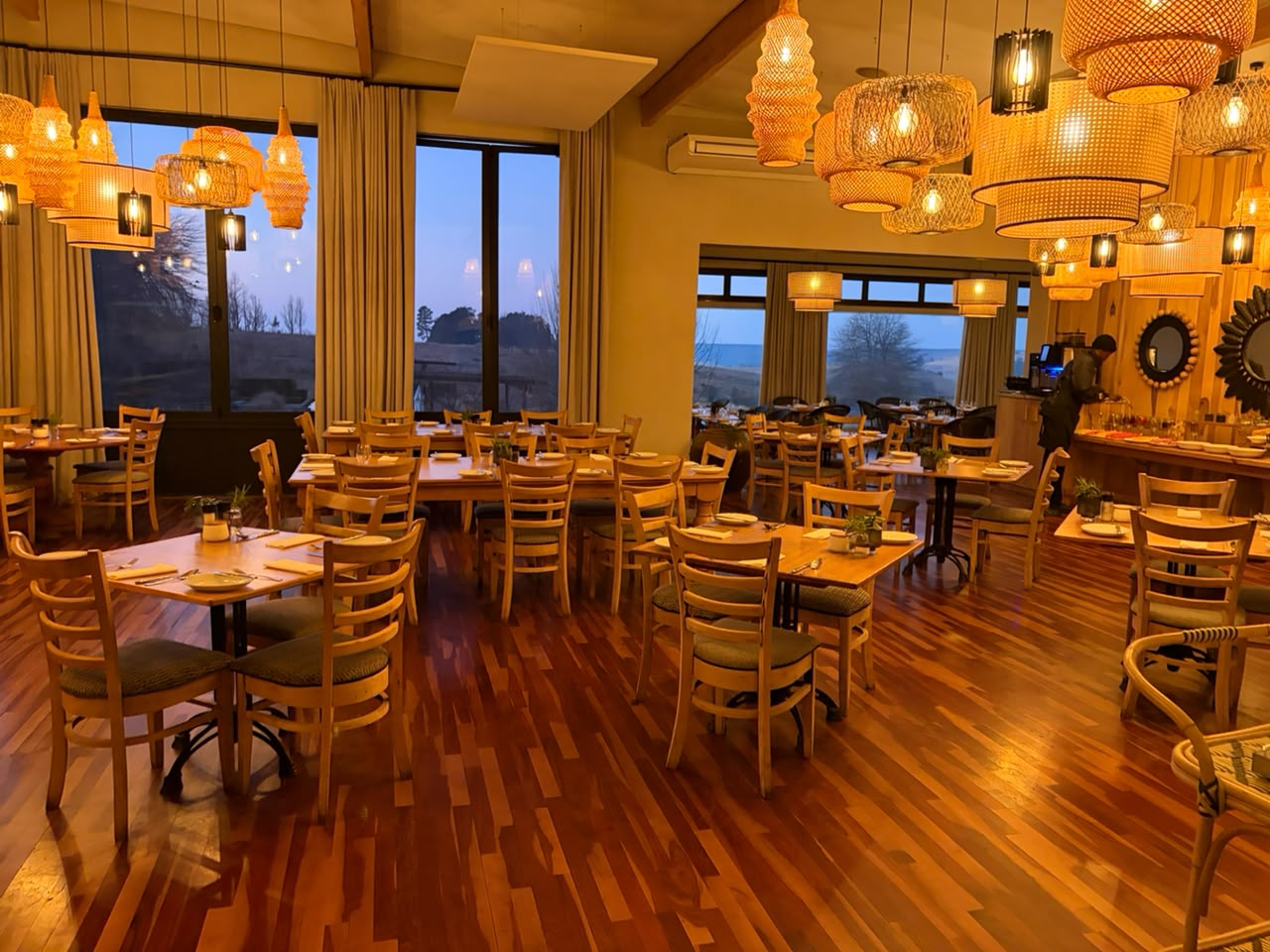
The restaurant is beautiful — warm wood tones, woven pendant lights, polished floors, and Midlands views through floor-to-ceiling windows. If you're going for the premium dinner service, note the dress code: no running shoes, sportswear, shorts, or flip-flops. Guests under 13 aren't permitted at dinner either. Not a dealbreaker, but arrive in something that isn't activewear.
One important heads-up: the Healing Earth Spa is currently closed for a major renovation. Different pages on their website give different reopening timelines, so check directly before booking if spa access matters to you.
The hotel is also a solid base for exploring the wider Midlands — golf, horse riding, the Nelson Mandela Capture Site, Nottingham Road Brewing Company — though most of those are nearby external attractions, not on the Brahman Hills property itself.
What I Took Away
A new appreciation for the French press. A slight sense of betrayal that nobody told me it was this easy, this good, and this forgiving. And a reminder that sometimes the best coffee experience isn't the R12,000/kg frozen geisha at Bluebird down the road — it's an anonymous hotel-room plunger with a view of the Midlands at first light.
Try the plunger. I'm embarrassed I waited this long.
Brahman Hills Nottingham Road, KZN Midlands (N3 Exit 132) brahmanhills.co.za
The restaurant coffee: Avanti Coffee Company Original Blend avanticoffee.co.za
Keep reading:

About the author
Bibi Burness, founder of Coffee Journal, has profiled 50+ SA specialty roasters and tested 10+ bottled water brands against the SCA standard. He completed the Bean There and Bluebird one-day home-barista courses in 2026 and maintains the site's transparency trust-score system.
Read more on the About page →